75% of a computer's carbon footprint is generated during manufacturing, before it is even turned on for the first time.
This figure changes everything. It means that refreshing hardware fleets every three years out of habit or organizational convenience is far from neutral: it is one of the most costly decisions, both ecologically and financially, a company can make.
Extending the lifespan of equipment is the most concrete and immediately profitable CSR lever. But you still need to know how to measure this lifespan, set targets, and put the right processes in place.
That is the purpose of this guide.
Why Equipment Lifespan Is a CSR and Financial Priority
Reduce Your Company’s Carbon Footprint
Extending a laptop's lifespan from 3 to 5 years reduces its overall carbon footprint by nearly 30%. This gain doesn't stem from daily electricity consumption, but from avoiding manufacturing a new one. Every asset kept in service spares the extraction of precious natural resources, saves thousands of liters of water, and prevents considerable energy consumption.
Lower Total Cost of Ownership
Every extra month gained on an asset's lifespan is a direct win for cash flow. Fewer premature replacements mean a direct cut in CAPEX. For a 100-employee company, the financial impact can reach tens of thousands of euros per cycle.
Strengthen Employer Brand
Engaging teams in caring for and preserving hardware empowers employees and turns corporate CSR commitments into tangible actions for both job candidates and clients.
How to Calculate the Real Lifespan of Your Equipment
To manage an equipment fleet effectively, you must first distinguish between three often-confused lifespan concepts.
The 3 Core Concepts
- Theoretical lifespan: The duration set by accounting standards or the manufacturer (e.g., three years for a laptop, five years for industrial tools). This serves as the depreciation baseline.
- Actual lifespan: The amount of time the equipment is actively used within the organization. It can be shorter or longer than the theoretical lifespan.
- Residual lifespan: The estimated remaining usage time before failure or obsolescence. Essential for planning equipment refreshes.
The Longevity Rate
To measure whether your assets reach their full potential, calculate their longevity rate against your CSR targets.
Applying this calculation category by category (laptops, mobile phones, tools, office furniture) gives you a precise roadmap of where to prioritize efforts.
Extending Your Hardware Fleet's Lifespan: Two Phases to Manage
Phase 1 - Preventing Premature Wear
Centralize Asset Lifecycle Tracking
You can’t optimize what you don’t measure. Knowing the exact age, condition, and service history of each asset is a prerequisite for any optimization strategy. Without this baseline, hardware refresh decisions are made blindly and almost always too early.
Implement Preventive Maintenance
Anticipating minor failures (cleaning internal components, battery replacements, software updates) prevents premature degradation. Regular preventive maintenance can extend hardware usability by several years for a marginal cost, whereas unpredicted breakdowns force emergency replacements.
Promote Internal Redeployment
A computer that has become too slow for a developer may be perfectly suited for an administrative role after a simple wipe and reimage. This internal redeployment strategy avoids unnecessary new purchases and mechanically extends the actual fleet lifespan.
Phase 2 - Managing End-of-Life Intelligently
Prioritize Repairability Over Replacement
Before replacing a faulty asset, check its repairability index. Replacing a spare part (RAM, SSD, screen) typically costs a fraction of the price of a new device and extends its useful life by two to three years.
Organize End-of-Life Compliance
When equipment reaches the end of its useful life in your organization, it shouldn't just vanish without a paper trail. Donating to charities, reselling on the refurbished market, or recycling through certified e-waste organizations ensures each route feeds into your CSR reporting while keeping you compliant with environmental regulations (such as France's AGEC law).
Fleezy: Manage Your Asset Lifespan From a Single Dashboard
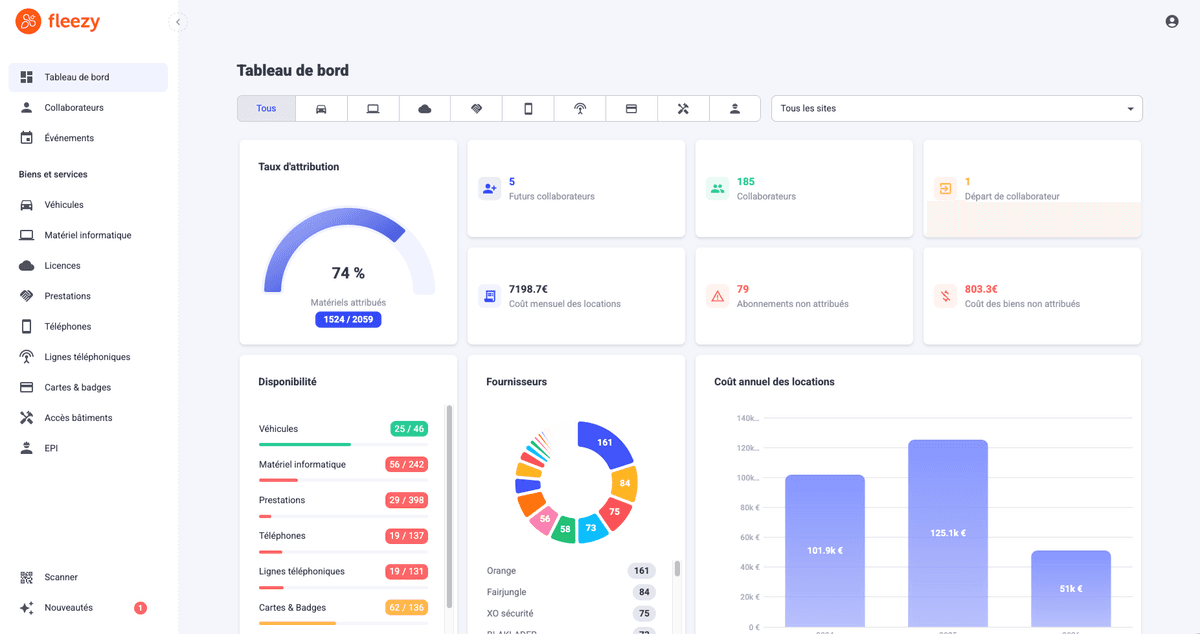
A long-term CSR strategy for your hardware fleet requires total visibility over your assets. That is precisely what Fleezy enables.
With Fleezy, you can:
- Maintain complete visibility over fleet status: Track real-time location, age, and employee assignments for every asset.
- Schedule maintenance alerts: Anticipate servicing and warranty expirations to maximize equipment usage.
- Streamline internal redeployments: Instantly identify available equipment to assign to new hires instead of purchasing new hardware.
- Track end-of-life asset statuses: Keep a clear audit trail for offboarded hardware (returns, repairs, recycling, or donations) to feed your internal CSR metrics.
Extend the lifespan of your equipment and reduce your carbon footprint.
Manage maintenance, internal redeployment, and the second life of your assets.